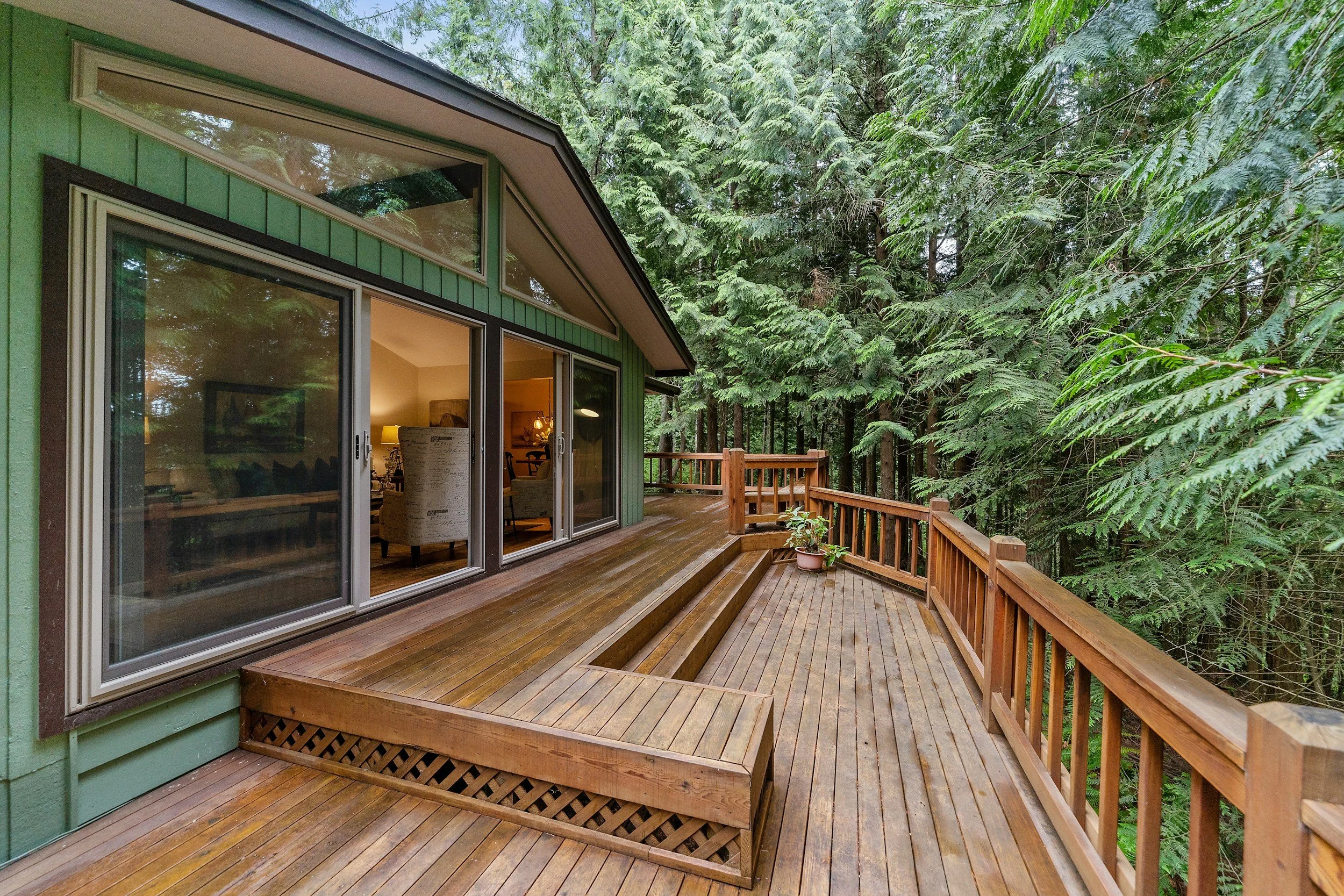
Whether you've just built a new deck, installed a fence, or added a pergola to your backyard, protecting your investment is just as important as building it. Staining or sealing outdoor wood helps defend it against moisture, UV rays, mold, and everyday wear—but timing is everything.
Knowing when to stain or seal your outdoor wood can make the difference between a finish that lasts for years and one that peels or fades after a single season.
Why Staining or Sealing Matters
Outdoor wood is constantly exposed to sun, rain, humidity, and temperature changes. Without protection, wood can:
Fade from UV exposure
Absorb moisture, leading to warping or cracking
Develop mold or mildew
Rot over time
Lose its natural beauty
A quality stain or sealer creates a protective barrier while enhancing the wood's appearance and extending its lifespan.
The Best Time of Year
Late spring through early fall is generally the ideal time to stain or seal outdoor wood. During these months, temperatures are warm enough for proper curing, and weather conditions are usually more predictable.
Summer is especially popular, but it's important to choose the right day—not just the right season.
Ideal Weather Conditions
For the best results, aim for:
Temperatures between 50°F and 90°F
Low humidity whenever possible
No rain expected for at least 24 to 48 hours
Mild, dry weather
Little to no direct afternoon sun while applying
Applying stain in extreme heat or direct sunlight can cause it to dry too quickly, preventing it from soaking into the wood evenly.
Should You Stain New Pressure-Treated Lumber Right Away?
One of the most common mistakes homeowners make is staining new pressure-treated lumber too soon.
Fresh pressure-treated wood often contains excess moisture from the treatment process. If you stain it immediately, the finish may not penetrate properly, leading to peeling or uneven coverage.
A good rule of thumb is to wait until the wood has dried sufficiently. Depending on the weather and the lumber, this can take anywhere from a few weeks to several months.
A Simple Water Test
Not sure if your wood is ready?
Sprinkle a few drops of water onto the surface.
If the water beads up, the wood is still too wet.
If the water soaks into the wood within a few minutes, it's usually ready for stain or sealer.
Don't Forget Surface Preparation
Even the best stain won't perform well if the surface isn't prepared properly.
Before staining:
Sweep away dirt and debris.
Wash the wood if necessary.
Allow it to dry completely.
Sand rough areas for a smoother finish.
Replace damaged or rotting boards before applying stain.
Taking the time to prepare the surface helps ensure better absorption and a longer-lasting finish.
How Often Should Outdoor Wood Be Restained?
The answer depends on the product used, the amount of sun exposure, and local weather conditions.
As a general guideline:
Horizontal surfaces like decks typically need maintenance every 2–3 years.
Vertical surfaces such as fences often last 3–5 years before requiring another coat.
Watch for signs such as fading, water no longer beading on the surface, or peeling finish.
Choosing the Right Product
Different outdoor projects call for different levels of protection.
Consider:
Transparent stains to highlight the wood's natural grain.
Semi-transparent stains for added color while still showing texture.
Solid stains for maximum UV protection and a painted appearance.
Clear sealers when you want to preserve the wood's natural color.
If you're unsure which option is best for your project, ask the knowledgeable staff at Genesee Lumber. They can recommend products based on your wood species, project type, and local climate.
Protect Your Investment
Whether you're building a new deck, replacing a fence, or maintaining an outdoor structure, applying stain or sealer at the right time can significantly extend the life of your wood.
Choosing favorable weather, preparing the surface properly, and using quality materials will help your outdoor project stay beautiful for years to come.
Need help selecting the right stain, sealer, or lumber for your next project? Stop by Genesee Lumber and let our team help you find the products and advice you need to get professional-quality results.